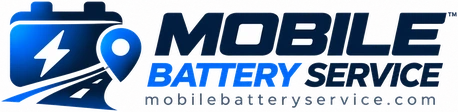
In most warehouses running electric forklifts on flooded lead-acid batteries, battery watering is either someone’s specific job or nobody’s job at all. When it is nobody’s job, batteries get watered irregularly, plates get exposed, and expensive batteries start losing runtime years earlier than they should. A simple, consistent watering routine is one of the cheapest ways to protect a forklift fleet.
Why forklift batteries lose water
A flooded forklift battery is made of many 2-volt cells, each filled with electrolyte, a mix of sulfuric acid and water. As the battery charges, particularly near the end of the charge, some water is split into hydrogen and oxygen and vented. The acid stays. Over time, the electrolyte level drops.
How quickly that happens depends on:
- How often the battery is charged. More charge cycles means more water loss.
- The charger and charge profile. An equalize charge uses more water than a normal charge.
- Temperature. Hot batteries gas more. Florida warehouses in summer are hard on batteries.
- Battery age. Older batteries tend to use more water.
How often to check
A common starting point for single-shift operations is to check water levels about once a week, and to water as needed after charging. Multi-shift operations that charge more often may need to check more frequently. Many battery manufacturers suggest checking every five to ten charge cycles. Follow your battery manufacturer’s guidance as the final word.
Watch for patterns. If a battery needs water noticeably more often than its neighbors, it may be overcharged, running hot or nearing the end of its life.
When to add water
Add water after the battery has been fully charged and has had a little time to cool. Electrolyte expands during charging. If you fill before charging, it can overflow out of the vents during the charge, carrying acid onto the battery top, the tray and the floor.
The exception: if the electrolyte is below the top of the plates before charging, add just enough water to cover the plates, then charge, then top up to the correct level.
How much water to add
Most forklift battery cells have a vent well or indicator. A general guide:
- The electrolyte should cover the plates and the separator protectors at all times.
- After charging, fill to the level specified by the manufacturer, typically a short distance below the bottom of the vent well.
- Never fill to the top of the cell.
Single-point watering systems and float valves make it easier to hit the right level consistently. We compare options in single-point watering for forklifts.
Use the right water
Use water that meets the battery manufacturer’s purity requirements, typically distilled or deionized water. Minerals in tap water can build up on the plates and reduce capacity. Many facilities use a deionizer cart connected to the watering system.
What happens when watering is neglected
Underwatering
When plates are exposed to air, the exposed portion sulfates and stops working. That capacity does not come back. The battery runs out of energy earlier in the shift, it heats up more, and its life shortens. Exposed plates can also cause the battery to overheat during charging. Our article on forklift battery overheating explains why heat is so damaging.
Overwatering
Overfilled cells boil over during charging. Acid ends up on the battery top, which leads to corrosion of connectors and cables, current leakage across the case, and acid on the floor. It also dilutes the electrolyte left in the cell, which lowers performance. Spilled electrolyte needs to be neutralized safely; see neutralizing forklift electrolyte spills.
Building a routine that sticks
Most watering failures are process failures, not knowledge failures. A few things help:
- Assign it. One person per shift or a specific role owns battery watering.
- Schedule it. Tie watering to a fixed day or a set number of charge cycles.
- Log it. Record each battery, date and whether it needed water. Our post on keeping a forklift battery log shows what to track.
- Make it easy. Watering guns with automatic shutoff and single-point systems reduce mistakes.
- Protect people. Provide face shields, gloves, aprons and an eyewash station nearby.
Heat and Florida warehouses
Many warehouses in our region are not air conditioned, and battery rooms can get very hot in summer. That increases water consumption and accelerates battery aging. During the hottest months, more frequent checks are wise. Make sure charging areas are ventilated, and do not stack hot batteries straight back onto charge without allowing them to cool if your charger and battery maker recommend a rest.
A sample weekly routine
For a single-shift operation, a routine might look like this:
- Monday: after the weekend charge has finished, check every battery’s electrolyte level and record it.
- Water any battery that needs it, using the watering gun or single-point system, and note which cells were low.
- Wipe battery tops that show moisture or acid residue, and neutralize any residue.
- Inspect cables and connectors while you are there, looking for fraying, burned connector housings or loose terminals.
- Mid-week: spot-check the batteries that used the most water on Monday.
- Friday: review the log and flag any battery that is drinking far more water than its neighbors.
This takes far less time once it becomes a habit, and it gives you a record that makes problems obvious long before they shut down a lift truck in the middle of a shift.
Frequently asked questions
Can we water before charging to save time?
Only if the plates are exposed, and then just enough to cover them. Otherwise, water after charging.
Is it bad if a battery never needs water?
It may mean it is undercharged, or that the watering system is not working. It is worth investigating.
Should we add acid if readings are low?
No. Acid is not lost in normal operation. Low specific gravity points to undercharging, sulfation or an aging cell.
Forklift battery service in Hillsborough County
If watering has slipped or you want a second set of eyes on your batteries, our forklift battery service comes to warehouses and distribution centers across Hillsborough County. We can check water levels, test each battery with our battery testing service, and help you set up a routine your team will follow.
Related services
Related posts
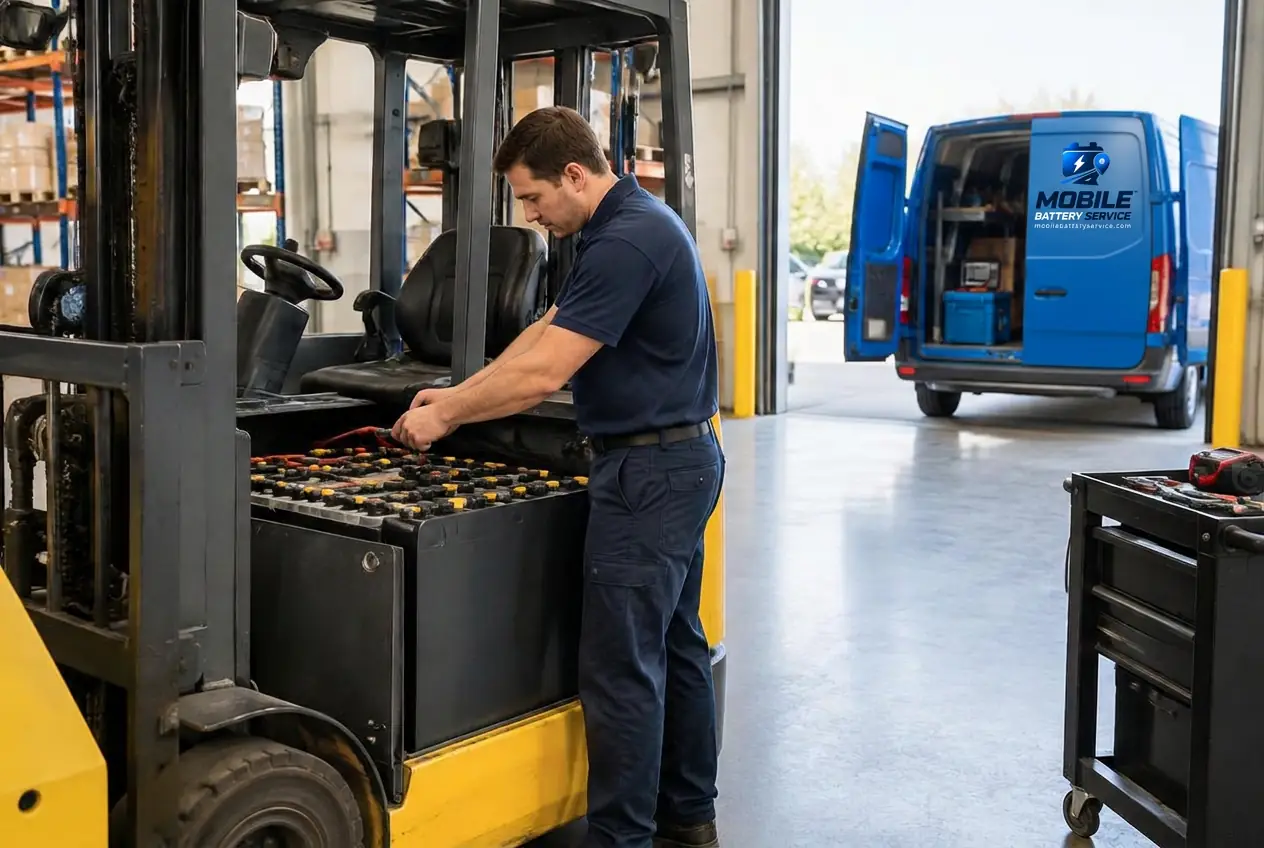
Forklift & Warehouse Batteries · Jul 22, 2026 · 1 min read
Forklift Battery Maintenance Checklist
A simple weekly and monthly routine that can add years to your industrial batteries.
Forklift & Warehouse Batteries · Oct 28, 2026 · 5 min read
Lithium vs. Lead-Acid Forklift Batteries: An Honest Comparison
Thinking about lithium for your forklifts? Here is how lithium and lead-acid compare on charging, maintenance, runtime, heat and planning, without the sales pitch.
Forklift & Warehouse Batteries · Oct 28, 2026 · 4 min read
Opportunity Charging Forklift Batteries: When It Helps and When It Hurts
Topping up forklift batteries on breaks sounds like free runtime. For some batteries it is; for others it quietly cuts their life short. Here is the difference.
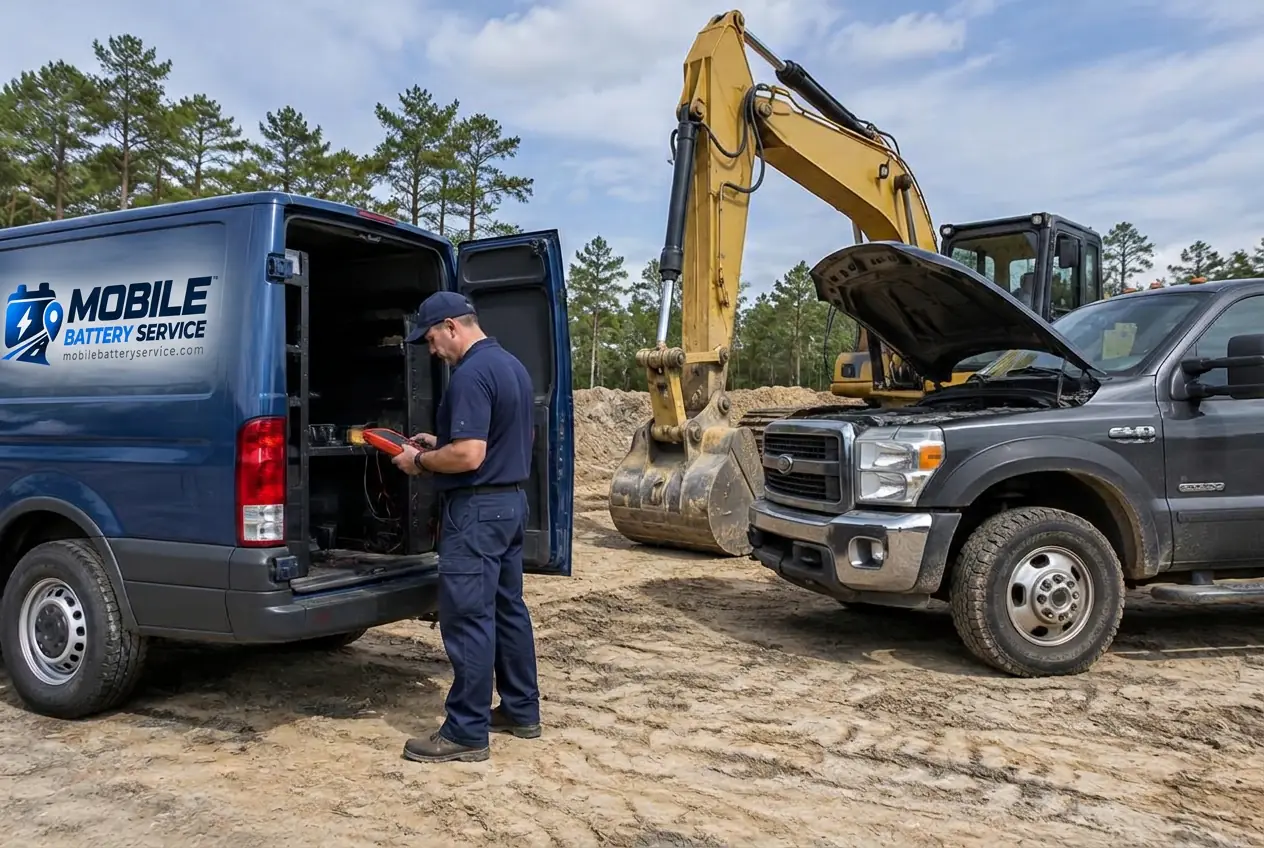
Truck & Fleet Batteries · Oct 28, 2026 · 5 min read
A Practical Battery Maintenance Schedule for Small Fleets
For a business with a handful of trucks or vans, a dead battery means a missed job. Here is a simple maintenance rhythm that catches weak batteries before…
More posts about forklift & warehouse batteries · All blog posts
Popular battery guides
- How Long Do Car Batteries Last in Florida?
- Golf Cart Batteries: Lithium vs. Lead-Acid
- Signs Your Car Battery Is Failing
- Forklift Battery Maintenance Checklist
- What to Do When Your Car Won’t Start
- AGM vs. Standard Car Batteries: Which Do You Need?
Where we work
We come to you across Hernando County, Pasco County, Pinellas County, and Hillsborough County. See all mobile battery services or read more about Mobile Battery Service.